 (Image via
A town’s character is often defined by its creative spirit—the vibrant murals on city walls, the sound of live music drifting from a park, and the local theater productions that bring stories to life. Arts programs are the engine of this cultural vitality, fostering creativity, strengthening community bonds, and enriching the lives of residents in countless ways. They provide an outlet for expression, a platform for connection, and a source of inspiration that makes a hometown a more dynamic and desirable place to live.
As a corporate professional, you understand the value of innovation, communication, and looking at problems from new angles. These are the very skills that arts education cultivates. Supporting local arts programs is not just a charitable act; it is an investment in the creative infrastructure of your community. It’s a way to ensure that the place you call home is not just a collection of buildings, but a thriving, colorful, and connected environment for everyone.
Why a Thriving Arts Scene Matters
The benefits of robust arts programs ripple throughout a community, impacting everything from the local economy to the well-being of its citizens. These programs are far more than just a "nice-to-have" feature; they are essential components of a healthy and successful town.
Economic Vibrancy and Growth
A strong arts scene is a powerful economic driver. Public art, theaters, galleries, and music venues attract tourists and visitors who spend money at local hotels, restaurants, and shops. Festivals and cultural events can put a town on the map, generating significant revenue and creating jobs.
Furthermore, a creative community is an attractive one for businesses and skilled professionals. Companies looking to relocate or expand often consider the quality of life a location offers. A town with a rich cultural landscape is more appealing to potential employees, giving it a competitive edge in attracting top talent. The arts make a community a place where people want to live, work, and invest.
Educational and Developmental Benefits
For youth, participation in the arts is critical for development. Studies have consistently shown that students involved in arts programs demonstrate higher academic achievement, better attendance, and increased civic engagement. The arts teach skills that are essential for success in any field:
- Creativity and Problem-Solving: The arts encourage students to think outside the box, experiment with new ideas, and find unique solutions to challenges.
- Collaboration: Working on a play, a mural, or a musical performance requires teamwork, communication, and compromise.
- Confidence and Resilience: Performing on stage or displaying artwork takes courage. The process of practicing, making mistakes, and improving builds self-esteem and the resilience to handle constructive feedback.
These are the "soft skills" that are highly valued in the modern workplace, making arts education a vital part of preparing the next generation for the future.
Community Cohesion and Well-being
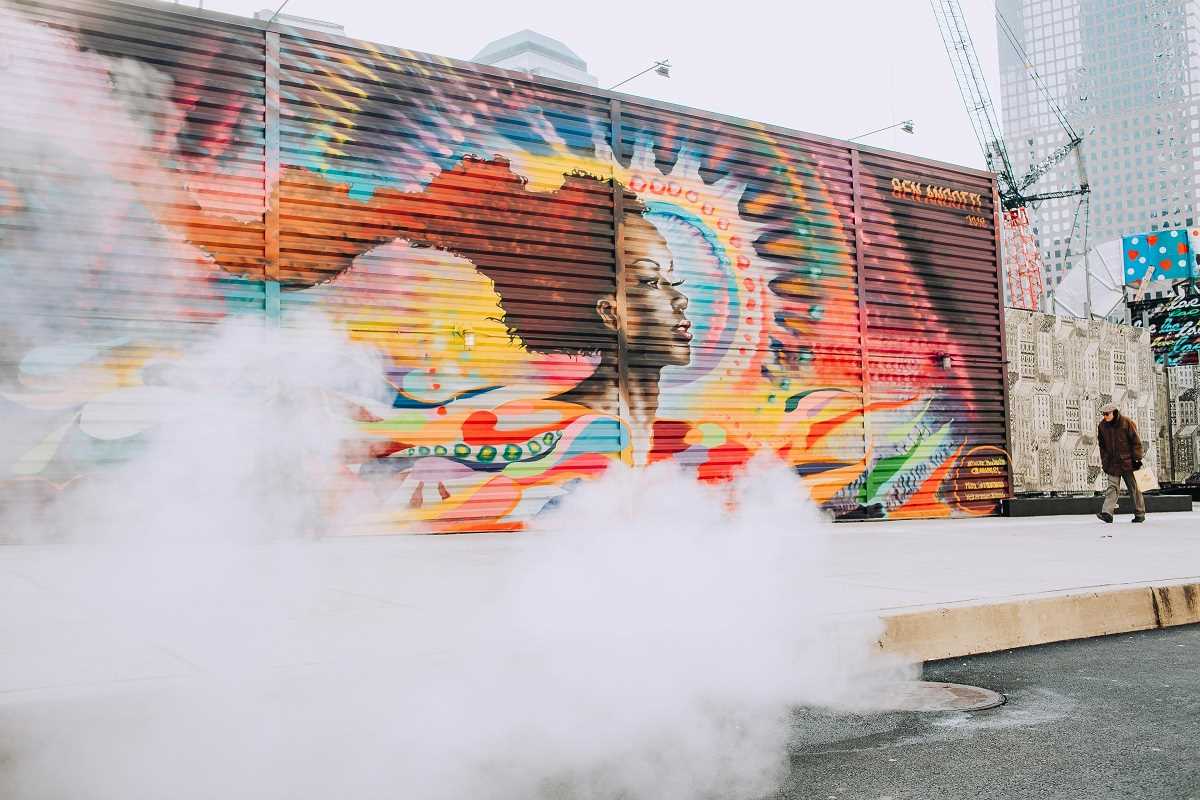
The arts bring people together. A community theater production involves actors, set designers, costume makers, and an audience, all sharing in a collective experience. A public mural project can transform a neglected space into a source of neighborhood pride. These shared activities build social connections, break down barriers, and foster a stronger sense of belonging.
Engaging with art also has proven benefits for mental health. It can reduce stress, combat loneliness, and provide a powerful outlet for emotional expression. A community that supports the arts is a community that cares about the holistic well-being of its residents.
How Professionals Can Champion the Arts
Your professional skills, network, and experience are incredibly valuable resources for local arts initiatives. There are many ways to get involved, from hands-on volunteering to strategic support, that can fit into a busy schedule.
1. Serve on a Board or Committee
Local arts organizations, such as community theaters, museums, and arts councils, are often non-profits run by small, dedicated staffs. They can greatly benefit from the expertise of professionals on their boards of directors or advisory committees.
Your skills in finance, marketing, law, or project management can provide crucial strategic guidance. As a board member, you can help with fundraising, strategic planning, and governance, ensuring the organization is sustainable and effective. This is a high-impact way to leverage your professional background for a cause you care about.
2. Offer Pro Bono Services
If a board position is too much of a time commitment, consider offering your skills on a pro bono or project basis.
- Marketing experts can help an arts group develop a social media strategy or design promotional materials for an upcoming event.
- Accountants can offer to review an organization's books or provide advice on budgeting.
- Web developers can volunteer to update a clunky website to make it more user-friendly and effective for ticket sales or donations.
- Lawyers can assist with contracts or help the organization navigate the process of becoming a 501(c)(3) non-profit.
A few hours of your skilled time can save an arts organization thousands of dollars, freeing up their limited funds for programming.
3. Become a Corporate Sponsor
Encourage your company to become a sponsor of a local arts program or event. Corporate sponsorship provides essential funding while offering tangible benefits to the company, including:
- Brand Visibility: Your company's name and logo will be featured on promotional materials, programs, and banners.
- Positive Public Relations: Supporting the arts demonstrates your company's commitment to the community, enhancing its reputation as a good corporate citizen.
- Employee Engagement: Sponsorships can come with perks like free tickets for employees, boosting morale and offering a unique benefit.
You can champion this from within by identifying a local arts organization and presenting a sponsorship proposal to your company’s leadership or marketing department.
Grassroots Support: Simple Ways for Anyone to Help
Beyond leveraging professional skills, there are many simple yet powerful ways for individuals to support the arts in their hometown.
1. Be an Active Patron
The most fundamental way to support the arts is to show up. Buy a ticket to a local play, visit a gallery opening, attend a craft fair, or go to a concert in the park. Your presence not only provides revenue but also demonstrates that there is a demand for these activities. Bring friends and family with you, and share your experiences on social media to spread the word.
2. Donate, Even a Small Amount
Most arts organizations rely on donations to keep their doors open. While large gifts are always welcome, small, recurring donations can provide a stable and predictable source of income. Consider becoming a "member" or "friend" of a local theater or museum. Even five or ten dollars a month can make a big difference over time.
3. Volunteer Your Time
Arts organizations are almost always in need of volunteers. You don't need to be an artist to help. They need people to usher at performances, help set up for events, staff concession stands, or assist with administrative tasks. Volunteering is a great way to meet new people and get a behind-the-scenes look at how the arts come to life in your community.
4. Advocate for Arts Funding
Stay informed about how your local government supports the arts. Attend town hall meetings and voice your support for public funding for arts programs and education. Write to your local representatives to let them know that the arts are a priority for you and your community. Public funding is a critical piece of the puzzle, and a strong showing of community support can make all the difference during budget season.
Encouraging arts programs in your hometown is an investment in a more creative, connected, and prosperous community. By lending your voice, your skills, and your support, you can help ensure that the arts continue to thrive, enriching the lives of everyone around you and making your hometown a place where culture and creativity can flourish.