 (Image via
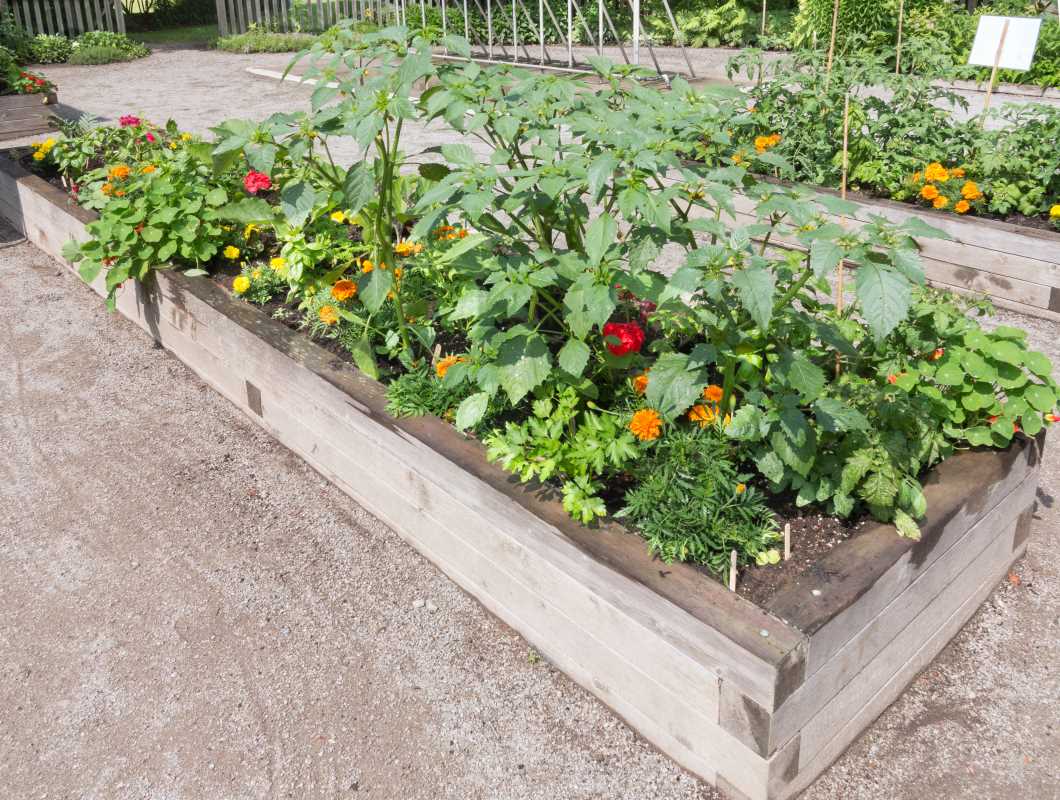
A small plot of land in a city, filled with raised beds and tended by neighbors, might look like a simple place to grow vegetables. But a community garden is a powerful ecosystem that cultivates far more than just tomatoes and kale. These green spaces are vibrant hubs of connection, learning, and resilience, producing a harvest of social, economic, and environmental benefits that nourish the entire neighborhood in profound ways.
From Vacant Lot to Vibrant Hub
Community gardens often sprout in the most unlikely of places—a neglected vacant lot, an underused corner of a park, or a forgotten strip of land alongside a school. The transformation of these spaces is the first clue to their deeper value. It’s an act of collective optimism, where residents come together to turn a piece of blight into a place of beauty and productivity.
This process of creation is where the magic begins. It’s a hands-on, collaborative effort that brings together people from all walks of life. The retired senior with decades of gardening wisdom works alongside the young professional who has never held a trowel. Families with small children learn from their empty-nester neighbors. This shared project breaks down social barriers and plants the seeds of a stronger, more connected community long before the first vegetable is harvested.
Growing Healthier People and Plates
The most obvious benefit of a community garden is, of course, the food. For many urban residents, especially those in "food deserts" with limited access to grocery stores, a community garden provides an essential source of fresh, affordable, and nutritious produce.
1. Improved Nutrition and Food Security: Having direct access to freshly picked fruits and vegetables encourages healthier eating habits. Participants are more likely to consume the recommended daily amount of produce, which is linked to lower rates of obesity, diabetes, and heart disease. The food grown is often organic and always hyper-local, with a nutritional quality that can surpass produce that has traveled hundreds of miles to a store shelf.
2. Increased Physical Activity: Gardening is a surprisingly effective form of exercise. The physical acts of digging, weeding, watering, and harvesting provide a low-impact workout that improves strength, flexibility, and cardiovascular health. It gets people outdoors and moving their bodies in a purposeful and enjoyable way, offering a welcome break from sedentary office jobs and indoor routines.
3. Enhanced Mental Well-being: The therapeutic benefits of gardening are well-documented. Interacting with nature, even in a small urban plot, has been shown to reduce stress, anxiety, and depression. The quiet focus required for gardening can be a form of mindfulness, while the sense of accomplishment that comes from nurturing a plant from seed to harvest provides a powerful boost to self-esteem.
Cultivating a Stronger Community Fabric
While the health benefits are significant, the social harvest of a community garden is often its most valuable crop. These spaces are natural incubators for social connection and civic pride.
A Place to Connect and Belong
In an age of digital isolation, community gardens offer a rare, real-world space for authentic human interaction. They are a "third place"—a location outside of home and work where people can gather, socialize, and build relationships.
- Intergenerational and Intercultural Bonds: Gardens are a melting pot. They bring together people of different ages, backgrounds, and cultures who might not otherwise cross paths. A shared love of gardening becomes a common language, fostering understanding and breaking down stereotypes. Older gardeners pass down traditional knowledge, while younger members might introduce new techniques or help with heavy lifting.
- Building Social Capital: The relationships formed in a garden strengthen the social fabric of the entire neighborhood. Neighbors get to know each other, build trust, and create informal support networks. This "social capital" is essential for a resilient community, leading to increased cooperation on other local issues and a greater willingness to look out for one another.
Fostering a Sense of Ownership and Safety
When residents invest their time and effort into a shared space, they develop a profound sense of ownership and pride. That garden becomes their garden, and by extension, the neighborhood becomes their neighborhood.
- Increased Civic Engagement: Gardeners often become more active and engaged citizens. The experience of working together to create positive change on a small scale empowers them to tackle larger community issues. They are more likely to vote in local elections, attend community meetings, and advocate for other neighborhood improvements.
- "Eyes on the Street": A thriving community garden transforms a once-empty lot into a hub of positive activity. The constant presence of gardeners throughout the day and evening provides natural surveillance, which can deter crime and make the entire area feel safer for residents.
An Unexpected Economic and Environmental Harvest
The benefits of a community garden also extend to the local economy and environment, making them a smart investment in a neighborhood's long-term sustainability.
Local Economic Growth
- Reduced Food Bills: For participating families, growing their own produce can significantly reduce their weekly grocery bills, freeing up income for other essential expenses.
- Entrepreneurial Opportunities: Some community gardens evolve to include small-scale economic activity. Gardeners might sell surplus produce at a local farmers' market, or the garden could host workshops on topics like canning or flower arranging for a small fee, creating modest income streams.
Green Infrastructure in Action
- Improved Air and Soil Quality: The plants in a community garden help to filter air pollutants and produce oxygen. The process of amending the soil with compost and organic matter can remediate contaminated urban land over time.
- Stormwater Management: The soft, permeable ground of a garden absorbs rainwater, reducing runoff that can overwhelm city sewer systems and carry pollutants into local waterways.
- Increased Biodiversity: Gardens provide a vital habitat for urban wildlife, especially pollinators like bees and butterflies, which are essential for a healthy ecosystem.
How Professionals Can Help a Garden Grow
As a corporate professional, your skills and resources can be instrumental in helping a community garden take root and flourish.
- Organize Corporate Volunteer Days: Partner with a local garden to organize a volunteer event for your company. Tasks can range from building raised beds and turning compost to weeding and painting signs. It’s a fantastic team-building activity that makes a tangible impact.
- Provide Skills-Based Support: A garden is like a small non-profit. Offer your professional expertise. Your marketing skills could help them promote a plant sale. Your project management abilities could help them plan a new expansion. Your financial acumen could assist them in applying for grants.
- Facilitate Sponsorships and Donations: Your company could sponsor the garden by funding the purchase of tools, a water tank, or a new shed. You could also organize a drive to collect donations of seeds, soil, or gardening gloves from your colleagues.
- Join a Garden Yourself: The most direct way to get involved is to become a member of a local community garden. It’s a rewarding hobby that allows you to de-stress from your professional life while contributing directly to your community and connecting with your neighbors.
A community garden is a living testament to the idea that small, local actions can create significant, lasting change. They are powerful community assets that yield a diverse harvest of healthier food, stronger social bonds, and a more resilient and beautiful neighborhood for everyone.