 (Image via
Maintaining a lush, healthy lawn and vibrant garden requires consistent watering, a task that can feel like a significant chore, especially with a demanding professional schedule. Dragging hoses and sprinklers around is time-consuming and often inefficient. Installing a home irrigation system offers a powerful solution, automating this essential task to save you time, conserve water, and ensure your landscape thrives even during the busiest weeks or while you're away on vacation.
This comprehensive guide will walk you through the fundamentals of home irrigation systems. We will explore the different types available, help you plan a layout tailored to your yard's specific needs, and provide an overview of the installation process. You will learn how to make smart choices that lead to a more beautiful yard with less effort, transforming how you care for your outdoor space.
Why Install an Irrigation System? The Benefits Go Beyond Convenience
While saving time is a primary motivator, the advantages of a well-designed irrigation system extend much further. They represent a smart investment in your property and a more sustainable way to manage your landscape.
- Water Conservation: Modern irrigation systems are incredibly efficient. By delivering water directly to the root zones of plants and lawns, they minimize waste from evaporation and runoff. Smart controllers can adjust watering schedules based on weather conditions, preventing unnecessary watering after a rainstorm. This efficiency is not only good for the environment but also leads to lower water bills.
- Healthier Plants and Lawn: Consistency is key to a healthy landscape. An automated system provides deep, consistent watering on a regular schedule, which encourages strong root growth. This makes your lawn and plants more resilient to drought, disease, and pests. You avoid the cycle of under-watering and over-watering that is common with manual methods.
- Increased Property Value: A beautiful, well-maintained landscape significantly enhances a home's curb appeal and overall value. An in-ground irrigation system is an attractive feature for potential buyers, as it signals a well-cared-for property and offers a major convenience they won't have to install themselves.
Understanding the Main Types of Irrigation Systems
Home irrigation systems generally fall into two main categories: sprinkler systems and drip irrigation. Most yards benefit from a combination of both, creating a "zoned" system that delivers the right amount of water to the right place.
Sprinkler Systems: Ideal for Lawns
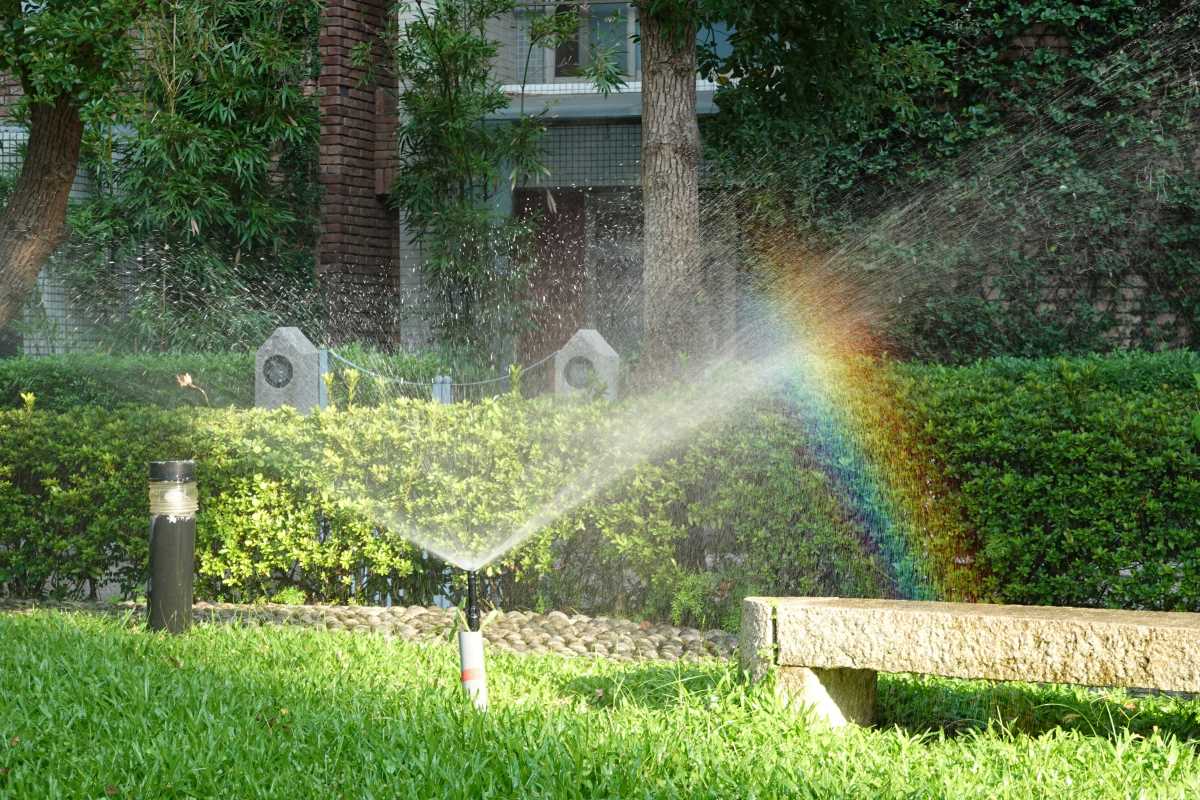
Sprinkler systems are designed to cover large, open areas like lawns. Water is distributed through sprinkler heads that pop up from the ground when the system is active and retract when it's not, allowing you to mow right over them.
There are two primary types of sprinkler heads:
- Rotor Heads: These heads rotate as they spray a single stream of water over a large area (typically 15 to 50 feet). They are perfect for medium to large lawns. Their slow, steady application of water allows it to soak in effectively, reducing runoff.
- Spray Heads: These are stationary heads that spray a fan-shaped pattern of water over a smaller area (usually up to 15 feet). They are ideal for smaller or irregularly shaped patches of grass and for narrow strips of lawn along driveways or sidewalks.
Drip Irrigation: Perfect for Gardens and Planters
Drip irrigation is the most efficient method for watering garden beds, shrubs, trees, and container plants. It consists of a network of tubes with small holes or "emitters" placed near the base of each plant. Water is delivered slowly and directly to the soil and root zone.
The benefits of drip irrigation are immense:
- It reduces water waste by up to 70% compared to conventional sprinklers.
- It keeps foliage dry, which helps prevent fungal diseases.
- It minimizes weed growth because you are only watering the plants you want, not the bare soil in between them.
Planning Your System: The Blueprint for Success
Proper planning is the most critical phase of installing an irrigation system. A well-thought-out design will ensure efficient water coverage and save you headaches during installation.
Step 1: Map Your Property
Start with a detailed sketch of your property on graph paper. This doesn't need to be a professional architectural drawing, but it should be reasonably to scale. Be sure to include:
- The outline of your house.
- The driveway, walkways, patio, and any other hardscaping.
- The locations of all lawn areas, garden beds, large trees, and shrubs.
- The location of your outdoor water spigot (hose bib).
Step 2: Determine Your Water Pressure and Flow Rate
Your home's water pressure and flow rate will determine how many sprinkler heads can run at the same time on a single "zone."
- Water Pressure (PSI): You can measure this with a simple pressure gauge that screws onto your outdoor spigot. Most homes have pressure between 40 and 65 PSI.
- Flow Rate (GPM): To measure Gallons Per Minute (GPM), get a 5-gallon bucket and time how long it takes to fill it from your spigot at full blast. Divide 300 by the number of seconds it took (e.g., 300 / 30 seconds = 10 GPM).
These two numbers are crucial. Irrigation supply stores and online tutorials can help you use this data to calculate how many heads your system can support per zone.
Step 3: Design Your Zones and Lay Out Sprinkler Heads
Divide your yard into logical zones based on watering needs. You cannot and should not water your lawn and your flower beds on the same schedule.
- Create separate zones for lawn areas, garden beds, and sunny versus shady areas.
- Using your map, start placing sprinkler heads. The cardinal rule of sprinkler layout is head-to-head coverage. This means the spray from one sprinkler head must reach the base of the next one. This ensures there are no dry spots.
- Use different symbols for rotor heads, spray heads, and your drip irrigation lines. Add up the total GPM for all the heads in a single zone. This number must be less than your home's available GPM. If it's more, you need to split it into two smaller zones.
The Installation Process: DIY or Hire a Professional?
Installing an irrigation system is a significant but manageable DIY project for a handy homeowner. It involves trenching, plumbing, and some low-voltage electrical wiring. Major manufacturers like Rain Bird and Hunter offer extensive online design guides and tutorials.
A General Overview of a DIY Installation:
- Tap into the Main Water Line: This is often the most intimidating step. It involves cutting into your home's main water line (usually after the water meter) and installing a tee fitting and a backflow preventer. A backflow preventer is a critical safety device required by code that prevents irrigation water from contaminating your home's drinking water. If you are not comfortable with this step, you can hire a plumber to do just this part.
- Dig the Trenches: You'll need to dig trenches (typically 6-12 inches deep) for your PVC or poly pipes. You can do this with a shovel, but renting a trenching machine from a home improvement store for a day will save an immense amount of time and labor.
- Lay the Pipes and Install Fittings: Following your plan, lay the pipes in the trenches. Use PVC primer and cement to connect the main lines, and install fittings for the sprinkler heads and zone valves.
- Install Zone Valves and the Controller: The zone valves are electronically controlled valves that open and close to send water to each zone. They are typically grouped together in a valve box. The controller (or "timer") is the brain of the system, usually mounted in a garage or basement. You'll run low-voltage wiring from the controller to each zone valve.
- Install Sprinkler Heads and Drip Lines: Flush the system with water to clear any dirt from the lines. Then, install your sprinkler heads and connect your drip irrigation tubing.
- Program the Controller: Set up your watering schedules for each zone. Modern smart controllers allow you to do all of this from a smartphone app and will automatically adjust for local weather.
While a DIY installation can save you thousands of dollars, it requires a significant time commitment and a willingness to learn. If you're short on time or uncomfortable with the scope of the project, hiring a professional irrigation contractor is a great option. They can design and install an optimal system quickly and efficiently.
An automated irrigation system is a game-changing upgrade for any homeowner. It takes the guesswork and labor out of watering, giving you back your valuable time while ensuring your landscape remains healthy and beautiful all season long.