 (Image via
A beautiful front yard does more than just make your neighbors a little envious; it creates a welcoming first impression and can significantly boost your home's value. After long days of meetings and deadlines, coming home to a thoughtfully designed landscape provides a sense of peace and accomplishment. You don't need a degree in horticulture or a massive budget to achieve a stunning look. With a solid plan and some practical know-how, you can transform your front yard into a true showpiece.
This guide will walk you through the essential steps to landscape your front yard for maximum curb appeal. We will cover everything from initial planning and design to selecting the right plants and adding those final, eye-catching details. Whether you're starting from scratch or refreshing an existing garden, you'll find actionable tips to create a space you love.
Start with a Plan: Your Landscaping Blueprint
Before you buy a single plant or lift a shovel, it's crucial to have a plan. A well-thought-out design saves you time, money, and frustration down the road. It ensures every element works together cohesively to create a unified and attractive look.
Assess Your Current Yard
Take a good look at your front yard. What are its strengths and weaknesses? Consider the following:
- Sunlight: How much sun does your yard get throughout the day? Note areas that are full sun (6+ hours), partial shade, or full shade. This is the single most important factor in plant selection.
- Soil Type: Is your soil sandy, clay-based, or loamy? You can do a simple "jar test" to figure this out. Good soil is the foundation of a healthy garden.
- Slope and Drainage: Does water pool in certain areas after it rains, or does it run off quickly? Proper drainage is key to preventing root rot and other plant diseases.
- Existing Features: Are there mature trees, sidewalks, or a driveway you need to work around? Incorporate these into your design rather than fighting them.
Define Your Style and Goals
What do you want your front yard to look like? Your home's architectural style can offer clues. A modern home might call for a minimalist landscape with clean lines and geometric shapes, while a cottage-style house pairs well with a more informal, overflowing garden.
Think about your maintenance commitment. If you're a busy professional with limited free time, a low-maintenance design featuring native plants, hardy shrubs, and mulch is a smart choice. If you enjoy gardening as a hobby, you might opt for a more intricate design with seasonal flower beds.
The Principles of Great Landscape Design
You don't need to be a professional designer to apply the basic principles that make a landscape visually appealing. Keeping these concepts in mind will help you create a balanced and harmonious space.
Create Layers and Depth
A flat, one-dimensional yard is uninteresting. Create visual depth by layering plants of different heights. A classic approach is to place taller plants and shrubs in the back (against the house or a fence), medium-sized plants in the middle, and shorter groundcovers or flowers along the front borders. This technique draws the eye inward and makes the space feel larger.
Use Repetition and Unity
Repeating certain plants, colors, or materials throughout the yard creates a sense of unity and rhythm. For example, you could use the same type of ornamental grass on both sides of your walkway or repeat a specific flower color in different garden beds. This doesn't mean everything has to be identical, but a common thread should tie the design together.
Add a Focal Point
Every great design has a focal point—one feature that immediately grabs attention. In a front yard, this could be a beautiful specimen tree (like a Japanese Maple), an ornamental fountain, a decorative boulder, or even a brightly colored front door. Your walkway should naturally guide the eye toward this focal point and, ultimately, to your home's entrance.
Selecting the Right Plants for Success
Plant selection is where your design truly comes to life. Choosing plants that are well-suited to your specific environment is the secret to a thriving, low-stress garden.
Choose Native and Low-Maintenance Options
Native plants are a fantastic choice for any landscape. Because they are adapted to your local climate and soil, they generally require less water, fertilizer, and pest control than non-native species. They also provide essential food and habitat for local wildlife, like birds and pollinators.
Hardy perennials (plants that return year after year) and evergreen shrubs are the backbone of a low-maintenance garden. They provide structure and color throughout the year without needing constant replacement.
Think About Year-Round Interest
A common mistake is choosing plants that only look good in spring or summer. To ensure your yard has curb appeal all year, select a mix of plants with varied seasonal interest.
- Spring: Flowering bulbs like tulips and daffodils, and blooming trees like dogwoods or cherry trees.
- Summer: Colorful perennials such as coneflowers, black-eyed Susans, and hydrangeas.
- Fall: Shrubs and trees with vibrant foliage, like maples and burning bushes. Ornamental grasses also shine in the fall.
- Winter: Evergreens provide a green backdrop, while trees with interesting bark (like a river birch) or red-twig dogwoods add color to a dormant landscape.
Group Plants with Similar Needs
To simplify watering and care, group plants with similar light and moisture requirements together. Don't plant a sun-loving, drought-tolerant lavender next to a shade-loving, water-hungry hosta. This practice, known as "hydrozoning," makes your maintenance routine much more efficient.
Hardscaping: The Bones of Your Yard
Hardscaping refers to the non-living elements of your landscape, such as walkways, patios, retaining walls, and fences. These features provide structure and define the space.
Upgrade Your Walkway
The path to your front door is a critical component of your home's curb appeal. A cracked or narrow concrete path can detract from even the most beautiful garden. Consider upgrading to a more attractive material like natural stone, pavers, or brick. A gentle curve in your walkway can add a sense of grace and make the journey to the door more interesting than a straight line. Ensure the path is wide enough for two people to walk side-by-side comfortably (at least 4 feet).
Define Edges and Borders
Clean, defined edges make a landscape look sharp and intentional. Use materials like steel edging, brick, or stone to create a crisp border between your lawn and garden beds. This not only looks great but also helps prevent grass from creeping into your mulched areas.
Finishing Touches That Make a Difference
With the main elements in place, it's time to add the details that will elevate your front yard from good to great.
Mulch, Mulch, Mulch!
Mulch is a landscaper's best friend. A fresh layer of mulch in your garden beds instantly makes everything look neater and more professional. It also offers numerous practical benefits: it suppresses weeds, helps retain soil moisture, and regulates soil temperature. Opt for natural materials like shredded bark or pine straw. Apply a 2-3 inch layer, but be sure to keep it away from the base of tree trunks and plant stems to prevent rot.
Incorporate Landscape Lighting
Don't let your beautiful yard disappear when the sun goes down. Thoughtfully placed landscape lighting can highlight your home's architecture and key features of your garden. Use uplighting to showcase a specimen tree, path lights to illuminate your walkway, and wall-wash lights to cast a soft glow on the front of your house. Modern solar-powered and LED options are energy-efficient and easy to install.
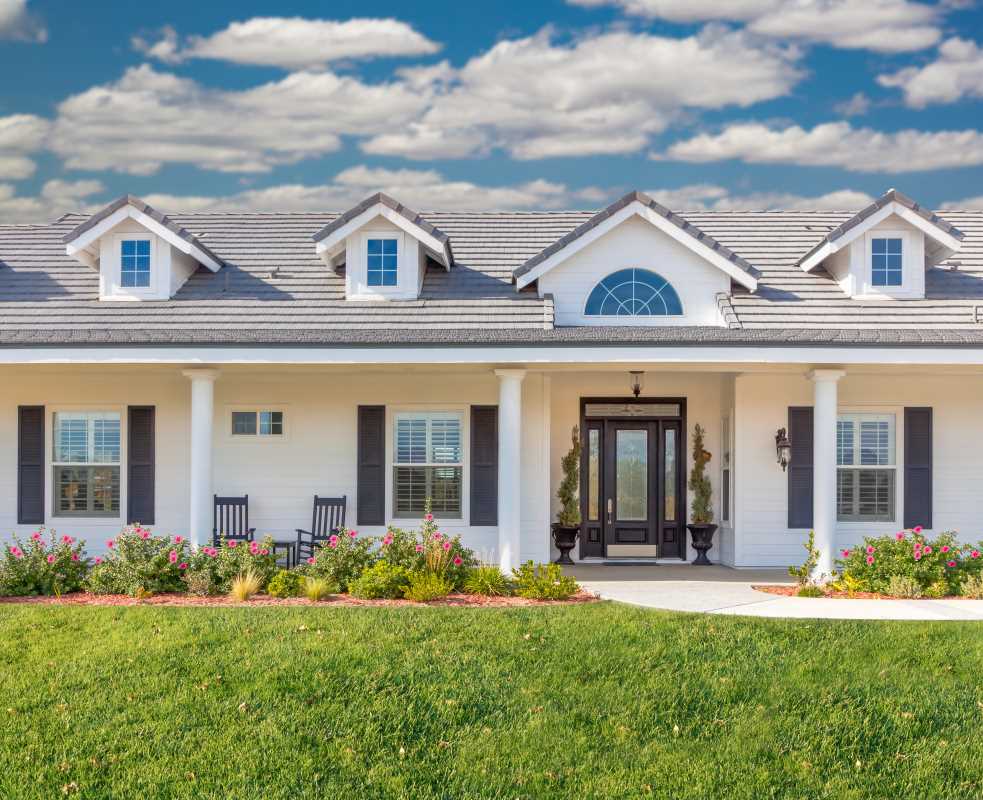
Add Containers and Window Boxes
Container gardens are a perfect way to add a pop of color and personality, especially near your entryway. A pair of large, elegant pots flanking the front door can make a dramatic statement. Window boxes filled with seasonal flowers add charm and connect the garden to the house itself. These are easy to change out, allowing you to refresh your look throughout the year.