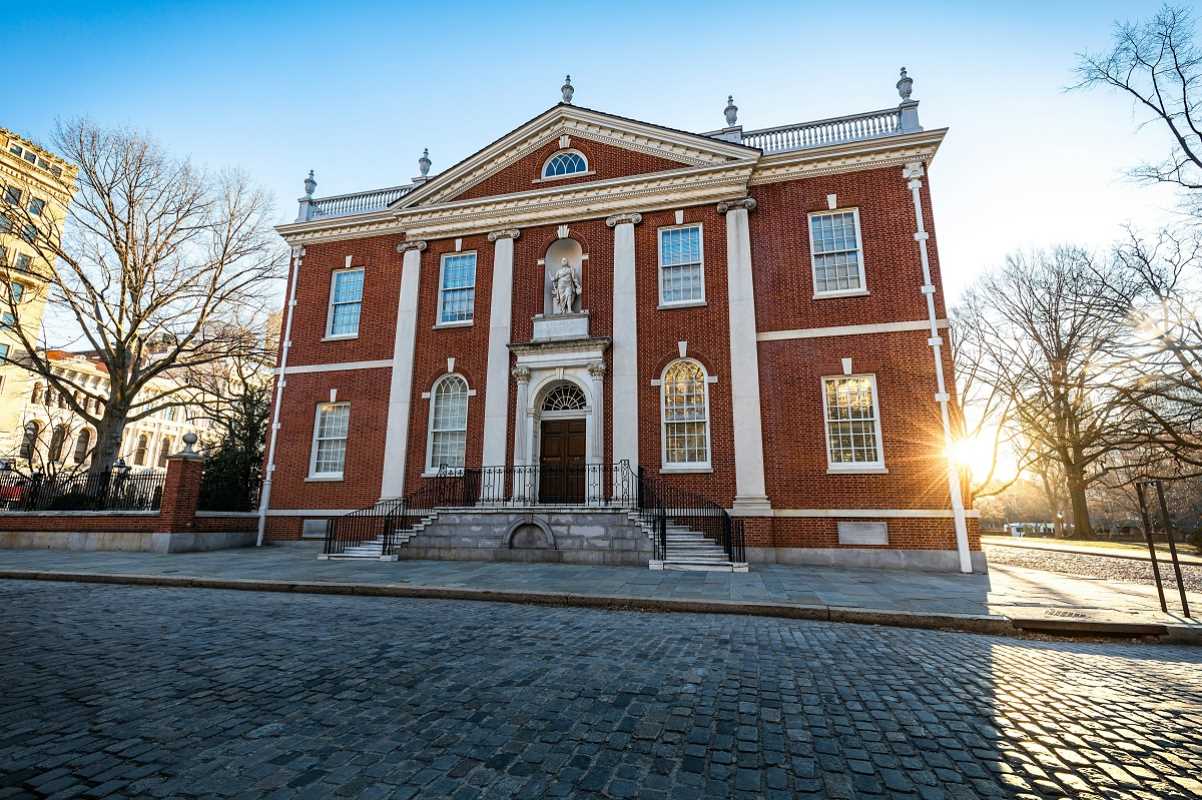
In an era of instant digital access, it might be tempting to view the public library as a quaint relic, a quiet building filled with dusty books. However, this perception misses the mark entirely. Today’s libraries have evolved into dynamic, essential hubs that actively strengthen local communities by providing free access to technology, fostering human connection, and creating opportunities for people of all ages and backgrounds to learn and grow.
More Than Just Books on Shelves
The core mission of the library has always been about providing access to information, but what that looks like in the 21st century has expanded dramatically. Modern libraries are no longer silent repositories of books; they are vibrant, active community centers that have adapted to meet the changing needs of their patrons. They have become one of the last truly public, non-commercial spaces where everyone is welcome, regardless of their age, income, or social status.
This transformation is critical. In a world where many social interactions are monetized or occur online, the library offers a physical space for connection and support. It functions as a town square, a classroom, a tech hub, and a social safety net, all under one roof. By understanding the diverse roles they play, we can appreciate why these institutions are more vital than ever.
The Great Equalizer: Bridging the Digital Divide
One of the most crucial functions of the modern library is providing equitable access to technology. The "digital divide"—the gap between those who have easy access to computers and the internet and those who do not—is a significant barrier to education, employment, and civic participation. Libraries are on the front lines of bridging this gap.
- Free Computer and Internet Access: For many individuals, the library is their only source of reliable internet access. This is essential for applying for jobs, completing schoolwork, accessing government services, paying bills, and connecting with family. Libraries provide a lifeline for job seekers to build resumes, search listings, and submit online applications.
- Tech Support and Digital Literacy: Libraries don't just provide the hardware; they provide the human support needed to use it effectively. Librarians and library staff regularly help patrons set up email accounts, navigate websites, and learn basic computer skills. They offer free classes on everything from using a smartphone to mastering spreadsheet software, empowering people with the digital literacy required to thrive in today's world.
- Access to Emerging Technologies: Many libraries go beyond basic computers, offering access to cutting-edge tools that would be prohibitively expensive for most people. This can include 3D printers, laser cutters, recording studios with audio and video editing software, and virtual reality equipment. These "makerspaces" democratize innovation, allowing entrepreneurs, students, and hobbyists to learn new skills and bring their creative ideas to life.
A Hub for Lifelong Learning and Personal Growth
Libraries are fundamental to education, serving learners at every stage of life, from toddlers to seniors. They champion literacy and provide a vast array of free educational resources.
Fostering Early Literacy
The foundation for academic success is built long before a child enters kindergarten. Libraries are key partners for parents in this journey. They offer story times, "rhyme and bounce" sessions for infants, and other programs designed to develop early literacy skills in a fun, engaging way. By providing access to thousands of children's books, they help instill a lifelong love of reading.
Supporting Students and Job Seekers
For school-aged children and teens, the library is an invaluable resource. It offers a safe and quiet place to study, with free access to homework help, tutoring services, and research databases. For adults, libraries provide resources for career development, including test preparation materials for professional certifications, online courses to learn new skills, and workshops on resume writing and interview techniques.
A Place for Curious Adults
Learning doesn't stop after formal schooling ends. Libraries cater to the intellectual curiosity of adults with author talks, book clubs, historical lectures, language learning software, and access to countless online courses and documentaries. They provide a space for continuous personal and professional development at no cost.
Weaving the Social Fabric of a Community
Beyond technology and education, libraries play a vital role in building social connections and fostering a sense of community. They are places where people come together.
A Welcoming Space for All
Libraries are intentionally designed to be inclusive. They offer programming for specific populations, such as new immigrants, seniors, and individuals with disabilities. They serve as warming or cooling centers during extreme weather and connect vulnerable patrons with social services. This welcoming atmosphere makes them a trusted institution for everyone in the neighborhood.
A Venue for Civic and Cultural Life
The meeting rooms in public libraries are essential community assets, providing free or low-cost space for neighborhood associations, non-profits, and civic groups to gather. Libraries host a wide range of cultural events, from art exhibits and musical performances to film screenings and community dialogues, enriching the cultural life of the area. These shared experiences strengthen bonds between neighbors and build a collective community identity.
How Professionals Can Support Their Local Library
As a corporate professional, you understand the value of information, networking, and continuous learning—all things that libraries champion. There are many meaningful ways for you and your company to support this vital community resource.
- Get a Library Card and Use It: The simplest way to show your support is to become a patron. Borrow books, use the digital resources, and attend programs. Usage statistics are a key metric that libraries use to demonstrate their value and secure funding.
- Volunteer Your Skills: Libraries often operate with tight budgets and can benefit greatly from professional expertise. Offer to lead a workshop in your area of specialty, whether it's financial planning, marketing for small businesses, or public speaking. Your skills-based volunteering can provide immense value to your fellow community members.
- Organize Corporate Support: Advocate for your company to partner with the local library. This could take many forms:
- Sponsorship: Sponsor a specific program, like the summer reading challenge or a new technology workshop.
- Employee Volunteer Day: Organize a team to help with a library project, such as landscaping, organizing shelves, or assisting with a large event.
- Joining the Foundation Board: Most libraries have an associated foundation or friends group that fundraises for them. Serving on the board is a strategic way to use your professional network and expertise to ensure the library's long-term health.
- Advocate for Funding: Be a public champion for the library. Attend city or county budget hearings to speak in favor of robust library funding. Write to your elected officials to explain the important role the library plays in the community. Your voice as a professional and community leader carries weight.
Public libraries are not just buildings; they are powerful engines of community development. They ensure that everyone has the tools they need to succeed, the space they need to connect, and the resources they need to keep learning. By supporting our local libraries, we are making a direct investment in a more equitable, informed, and connected community for all.